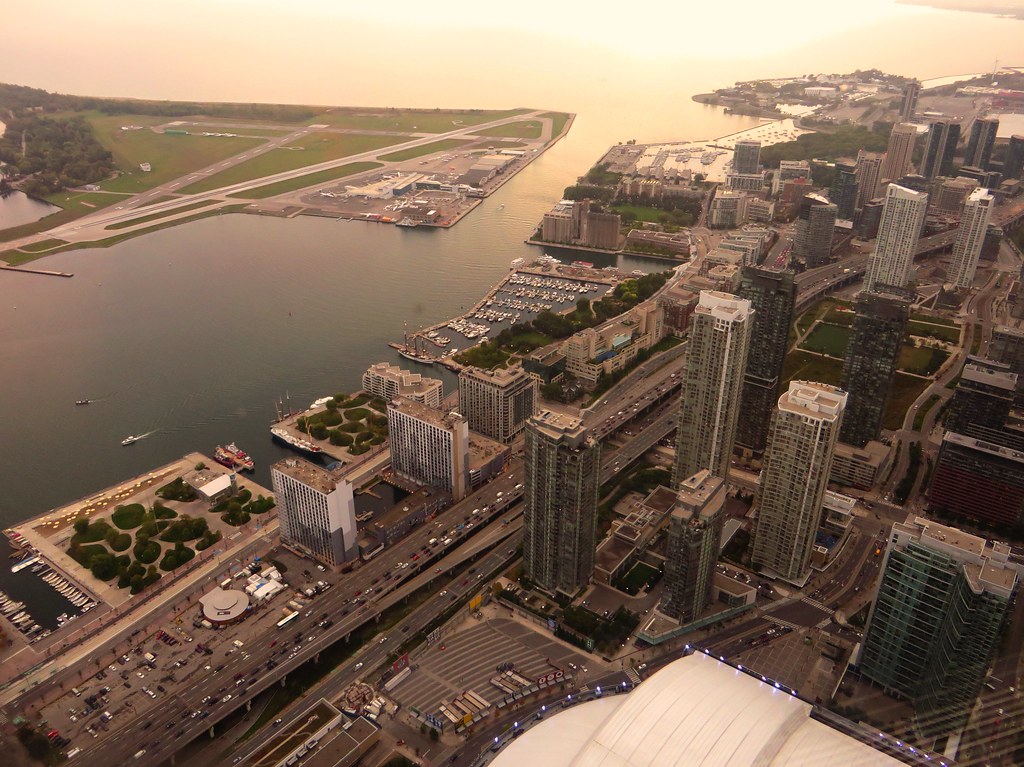
Toronto Arts Organizers Adapt Programming as Heatwave Sweeps North America
As North American cities buckle under a record-breaking heatwave, Toronto’s independent arts organizers are pivoting to keep the culture moving.
As North American cities buckle under a record-breaking heatwave, Toronto’s independent arts organizers are pivoting to keep the culture moving.
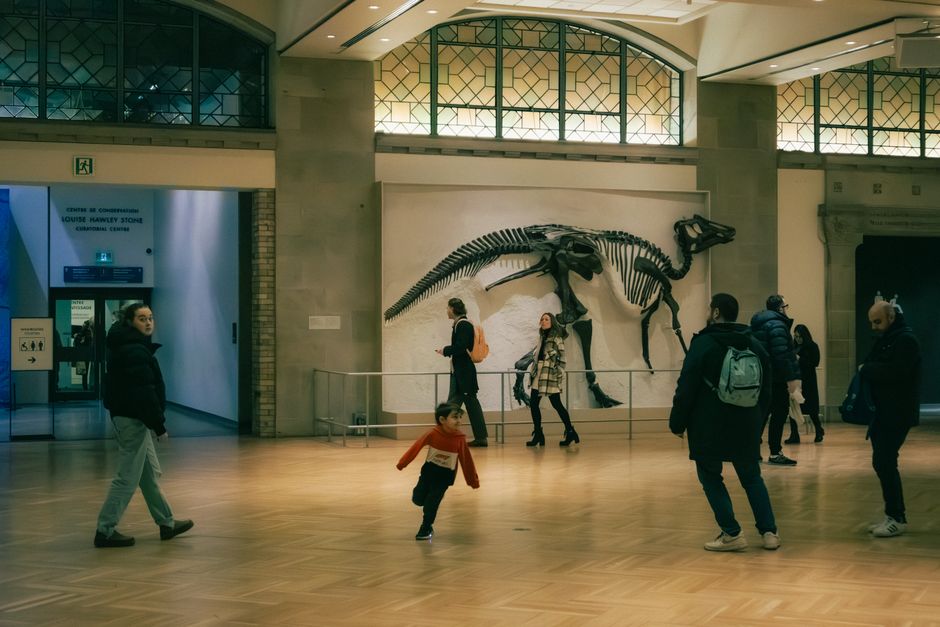
The outdoor stage at Christie Pits Park is currently being dismantled. What was meant to be a four-day July Fourth celebration has been condensed into a series of climate-controlled, indoor activations across the city. By 10:00 a.m. this morning, Toronto Public Health had already extended the extreme heat warning, with the humidex pushing towards 38 degrees Celsius, forcing organizers of the 'Summer Pulse' series to abandon their open-air mandate.
This isn't just about moving a sound system indoors; it is a logistical scramble involving dozens of small business owners and arts collectives. The sudden shift underscores the vulnerability of Toronto’s summer programming, which relies heavily on the narrow weather window between June and September. When the city’s civic spaces become heat traps, the responsibility for maintaining cultural momentum shifts to independent venues like the Collective Arts space on Queen Street West and the basement studios in the Geary Avenue corridor.
Behind the scenes, Sarah Jenkins, a lead coordinator for the Independent Venues Alliance, has spent the last 48 hours negotiating with HVAC technicians and building managers. Her organization, which oversees ten performance spaces across the West End, has been retrofitting older buildings to ensure they meet the air-quality standards required for capacity crowds. It is a expensive, unglamorous process of replacing decade-old filtration systems that were never designed for this frequency of extreme weather events.
The economic stakes are stark. Data from the Toronto Association of Business Improvement Areas shows that local hospitality revenue drops by approximately 22% during heat-emergency weekends, as foot traffic evaporates from major strips like Ossington and Danforth. To counter this, organizers are experimenting with 'cool-room' ticket tiers, offering reduced entry prices of $15-down from the usual $25-to encourage attendance at venues with industrial-grade air conditioning.
The transition to indoor-first programming has forced a complete redesign of the logistics for this weekend’s anticipated 'Transit City' electronic music festival. Instead of a single stage near the waterfront, producers have split the lineup into five smaller venues, including the Drake Underground and the Velvet Underground. This decentralized model is intended to reduce the strain on the city’s electrical grid, which experienced a localized brownout in the downtown core last July during a similar heatwave.
For residents, the recommendation remains the same: monitor the City of Toronto’s heat relief network website for updates on community centers that have extended their operating hours until 10:00 p.m. If you are planning to attend any events on Saturday or Sunday, check the venue’s social media feeds before leaving your home, as capacity limits are strictly enforced to manage internal temperatures. Pack light, carry water, and anticipate that while the location may have changed, the schedule remains set to ensure the city’s arts scene survives the weekend intact.
How does this story make you feel?
Spread the word
About this article
Published by The Daily Toronto
Daily brief
Free, in your inbox before 7am. Weekdays.
More in culture