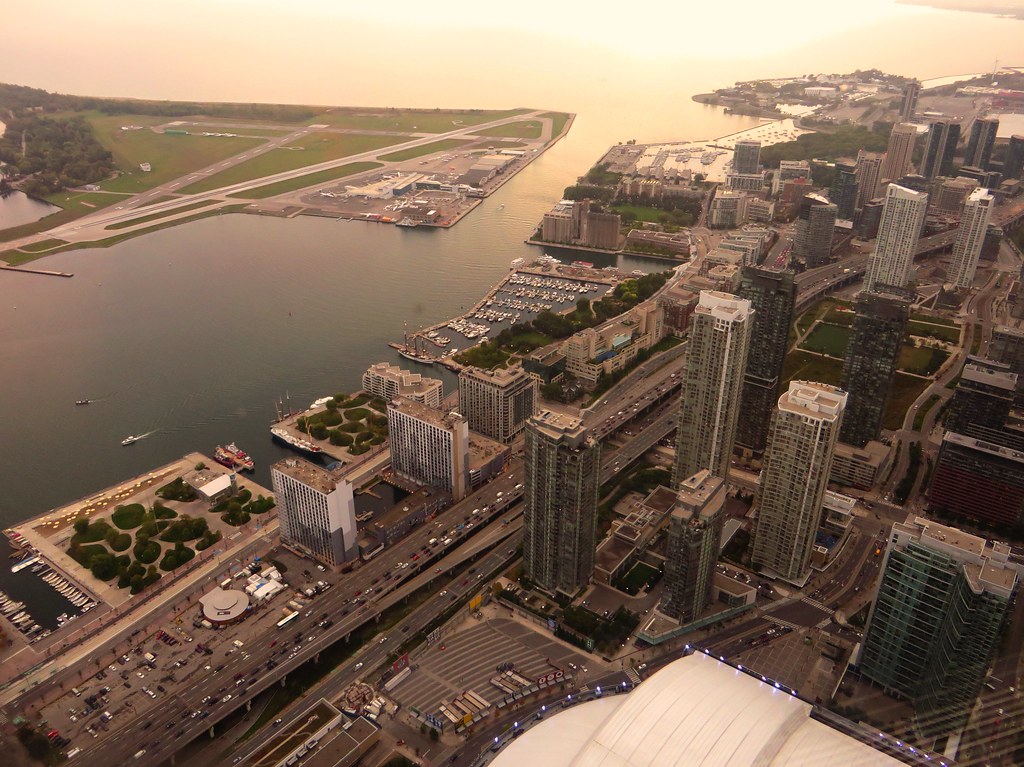
Toronto is throwing open its cultural doors this weekend with a deliberate act of creative defiance. While heat waves are cancelling summer celebrations across North America, the city is doubling down on indoor and outdoor programming that cuts across every medium-theatre, visual art, music, and film-in a way that reveals something fundamental about how Toronto sees itself in 2026.
The pattern matters now because Toronto's creative sector has spent the last three years recalibrating. The pandemic hollowed out much of the King West theatre district. Soaring rents pushed independent galleries eastward. Yet this weekend's programming-anchored by the Toronto International Film Festival's summer Wavelengths retrospective series beginning Friday at the Cinematheque Ontario on Bloor Street, alongside simultaneous theatre launches at the Royal Alexandra and smaller Black Box venues-suggests the city has stopped trying to resurrect what was and started building something new.
Where the Actual Work Is Happening
Start Friday at the Cinematheque Ontario. The Wavelengths program opens with a four-film showcase of experimental cinema from the 1970s, running through Sunday. Admission is $16 per screening, and the series targets exactly the kind of serious film audience that Toronto cultivated as a festival city-but now as a year-round institution rather than waiting for September. Across town, Buddies in Bad Times Theatre reopens its Pride-focused summer season tonight at their 207 Simcoe Street location with a new play exploring queer identity in post-pandemic Toronto. Tickets run $25 to $35.
But the real indicator of Toronto's shifting identity sits in Kensington Market. The Market's Creative Collective-a confederation of artist studios and independent shops-is hosting an open-studio weekend starting Saturday morning. Walk down Augusta Avenue and you'll find painters, jewellers, textile artists, and digital creators working openly from 10 a.m. to 8 p.m. across fourteen separate studio spaces. Foot traffic counts from last year's event hit 2,800 visitors across the three-day weekend. That's not incidental. That's proof the city's creative class isn't abandoning the street-level, neighborhood-rooted approach to art-making.
The Numbers That Tell the Story
Toronto's cultural expenditure hit $847 million in 2024, according to Statistics Canada data released in March. But here's what matters: 34 percent of that spending came from independent and artist-led organizations, up from 28 percent in 2019. The major institutions-the Art Gallery of Ontario, the Royal Ontario Museum, the Toronto Philharmonic-still draw crowds. But Toronto is no longer a city where culture flows top-down from institutions. It flows sideways through neighborhoods.
This weekend's programming reflects that democratic turn. None of these events are marquee blockbusters. You won't see Taylor Swift or international superstars. Instead you get the Toronto of smaller audiences, serious engagement, and sustained artistic practice. The Cinematheque's retrospective draws maybe 200 people per screening. Buddies draws maybe 300 to 400. The Kensington studios get foot traffic from curious neighbors. What unites them is that they're happening at all-that Toronto has enough creative infrastructure now to run major programming on any random July weekend without it feeling like it's fighting for attention.
If you're heading out this weekend, the practical calculus is simple: pick a neighborhood, not a single venue. Hit the Cinematheque on Friday evening, then walk south on Bloor to grab dinner in the Annex. Saturday belongs to Kensington-budget three hours minimum if you want to actually talk to artists. Sunday, depending on your mood, catch a matinee at the Royal Alexandra or drift through the Performance Art Centre's outdoor installations in the Distillery District. Toronto's no longer asking visitors to choose between culture and the city itself. This weekend proves they're the same thing.