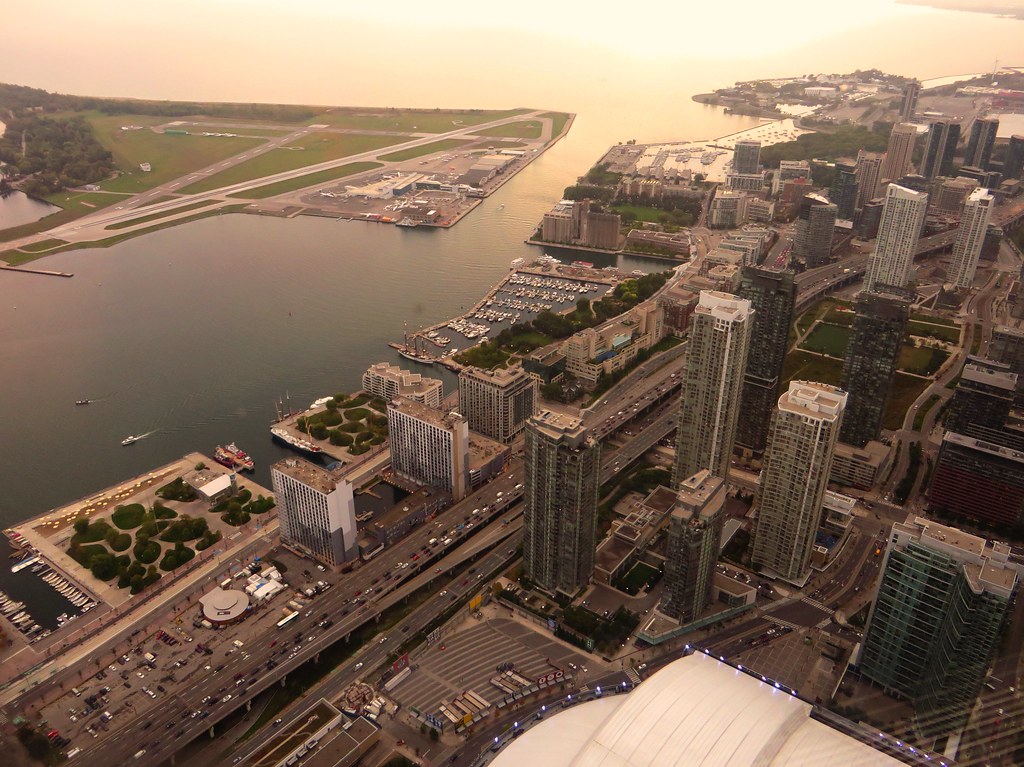
The Toronto International Film Festival won't kick off for another two months, but the city's creative infrastructure is already humming. Thursday's slate of cultural events-from experimental theatre in Kensington Market to a photography retrospective at the Scotiabank Arena's public gallery-reveals something fundamental about how Toronto is now defining itself: not as a city chasing international prestige, but as a place where artists and audiences actually intersect.
This matters now because Toronto sits at an inflection point. While headlines from across Europe and Asia capture cities grappling with security concerns, infrastructure strain, and political uncertainty, Toronto's cultural institutions are doubling down on what makes the city distinct: accessibility and risk-taking. The programming decisions being made this week-what gets funded, where tickets are priced, which neighbourhoods host events-directly shape whether creative professionals can afford to stay here and whether audiences feel invited to participate.
Where the Real Action Is Happening
At Tarragon Theatre on Bridgeport Avenue in Little Italy, a 7:30 p.m. production of a new Canadian play demonstrates the model. Tarragon's 200-seat venue has become where Toronto playwrights test work before it travels elsewhere-or stays put. The theatre charges $35 to $45 for most performances, deliberately undercutting commercial theatre prices in the Entertainment District. Meanwhile, across town in the Distillery District, the Power Plant Contemporary Art Centre is hosting a multimedia installation that runs until 9 p.m., charging $12 admission or $25 for a season pass.
The calculation matters. According to data from the Toronto Arts Council's 2024 cultural workforce survey, 62 percent of artists working in the city report that venue rental costs have increased by more than 20 percent since 2021. That squeeze forced smaller galleries and independent producers to either raise ticket prices or relocate outside the core. The ones still operating-like the non-profit collective running programming out of a converted warehouse on Queen West-are now the de facto gatekeepers of what creative identity Toronto actually claims.
Toronto Public Library's Yorkville Branch is also hosting a free screening of work by documentary filmmakers focused on climate displacement at 2 p.m. The branch has become, by necessity and design, a gathering space for communities that can't afford commercial venues. These aren't marquee events. They're the connective tissue.
Why Scarcity Creates Authenticity
What distinguishes Toronto's current moment from, say, five years ago, is the explicit rejection of the blockbuster model. The city's major institutions-Art Gallery of Ontario, Royal Ontario Museum, Toronto International Film Festival-still draw international attention. But the infrastructure that actually keeps artists here, the 400-plus independent galleries and artist-run spaces spread across Chinatown, Parkdale, and Leslieville, operates on a different logic: presence over promotion.
A 2025 analysis by the Canadian Urban Institute found that Toronto loses approximately 8 percent of its creative workforce annually to other cities, primarily Vancouver and Montreal, where rental costs and real estate appreciation are fractionally less severe. The artists who stay tend to cite community density and audience engagement-not institutional sponsorship-as the reasons. They're betting on proximity to other artists and to audiences willing to show up on a Thursday night to something that hasn't been marketed into inevitability.
For anyone looking to spend tonight engaging with that version of Toronto, the options are there. Check Spacing magazine's event listings or search individual venue websites directly; the algorithm-driven discovery tools of major platforms tend to surface only the well-funded productions. The rest requires legwork, which is exactly the point. Toronto's creative identity right now is being forged not by institutions announcing grand initiatives, but by people willing to show up in person.