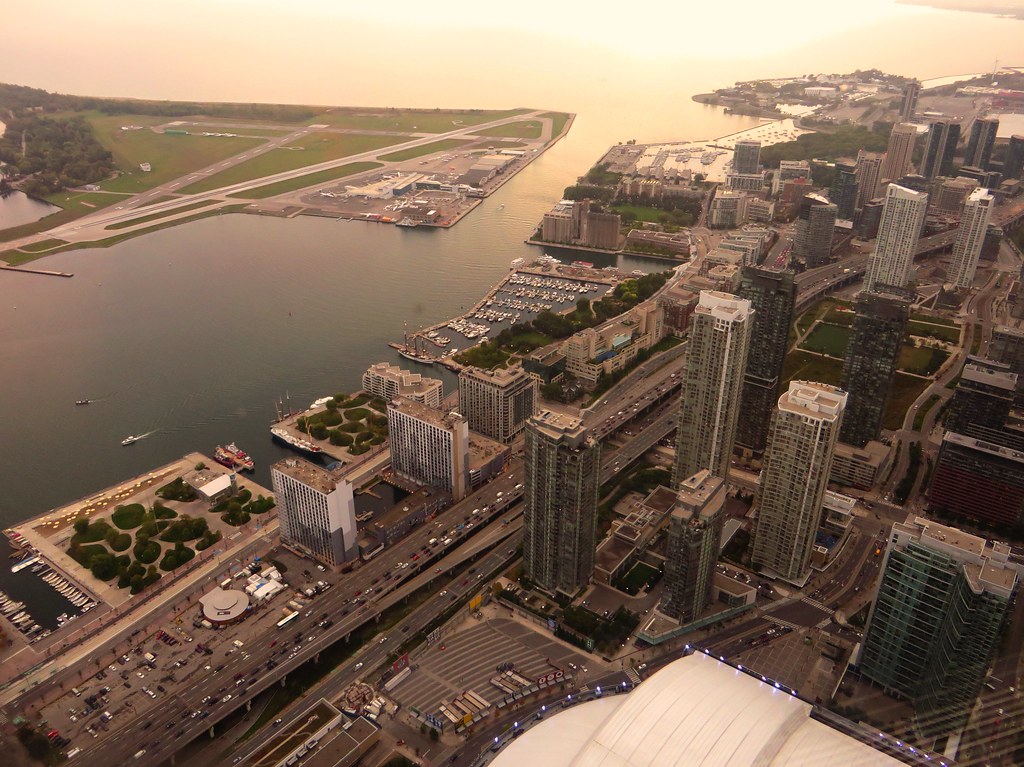
Toronto's festival calendar explodes this weekend with nearly two dozen events competing for attention across the city's neighbourhoods, a saturation that would have seemed impossible 30 years ago when the Toronto International Film Festival was a scrappy affair and Pride Toronto barely filled Church Street with a few hundred marchers.
The sheer volume of programming-from the Beaches Jazz Festival on the waterfront to drag shows and dance parties scattered across Church and Wellesley, from indie film screenings in Kensington Market to contemporary dance presentations at the Distillery District-reflects a fundamental shift in how Canadian cities compete globally. What began as community celebrations by and for specific populations have hardened into tourism infrastructure, drawing international visitors and serious cultural investment. This weekend's events aren't accidents of local enthusiasm anymore. They're products of two decades of institutional support, sponsorship deals, and strategic positioning.
From Grassroots to Institutional Power
Pride Toronto, which launches its full programming slate this weekend after last month's main parade, illustrates the trajectory. The event started in 1981 as an informal march organized by activists and volunteers who expected confrontation with police. This year's Pride runs through July 6 with ticketed stages, corporate sponsorships from banks and tech companies, and an estimated budget exceeding $3 million. The main stage now sits at Nathan Phillips Square, where the city's most formal civic events typically occur. The shift from underground to mainstream happened gradually but unmistakably-by the early 2000s, the Toronto Public Library was hosting Pride panels, and by 2010, municipal funding had become routine.
The Toronto International Film Festival, founded in 1976, followed a different path but arrived at the same destination. What was initially a small screening series run by passionate cinephiles at the Aldwyn Theatre on Bloor Street West has become a September fixture that attracts A-list celebrities, international distributors, and press from every major outlet. The festival now operates at Roy Thomson Hall and multiple downtown venues, with a budget north of $15 million annually and the institutional weight to premiere films that become Oscar contenders. The shift accelerated in the late 1990s when the city realized it could position itself as a major film capital, attracting productions and festivals through tax incentives and infrastructure investment.
This Weekend's Calendar and Its Deeper Origins
The Beaches Jazz Festival running through July 6 at Woodbine Park represents yet another model. What started in 1997 as a summer concert series by local businesses wanting to activate the neighbourhood has grown into a free festival drawing 50,000 visitors over the long weekend, with headliners booked months in advance and sponsorship from major corporations. The festival costs the city approximately $800,000 to produce, money justified by economic impact studies showing visitor spending and expanded restaurant revenue along Queen Street East.
Toronto hosted 36 major festivals last year with attendance topping 8 million, according to data from the Toronto Economic Development and Culture division. That's roughly three festivals for every 100 residents, a density that required deliberate cultivation. The city established the Toronto Arts Council in 1987 and began directing operational funding to cultural organizations, a model that became the backbone for institutional growth. By 2015, annual grants to arts organizations exceeded $40 million, creating the financial stability necessary for events to plan years ahead and guarantee artist fees and production quality.
For locals looking to navigate this weekend, the key is choosing your neighbourhood and committing to it rather than trying to dart between events. The Distillery District, a former industrial complex in the east end turned cultural hub, hosts experimental theatre and live music across multiple venues within walking distance. The Kensington Market area near Spadina Avenue has become a de facto festival zone with street programming, outdoor screenings, and spontaneous performances. Church and Wellesley remains the epicentre for Pride programming, with bar patios and street closures creating a distinct festival feel separate from downtown.
Toronto's festival dominance didn't happen organically. It required 15 years of deliberate city strategy, private sponsorship relationships, and the willingness to close streets and allocate public resources to cultural events. What feels like natural abundance to residents encountering festivals nearly every weekend is actually the result of institutional infrastructure that crystallized in the 2000s and has only strengthened since.