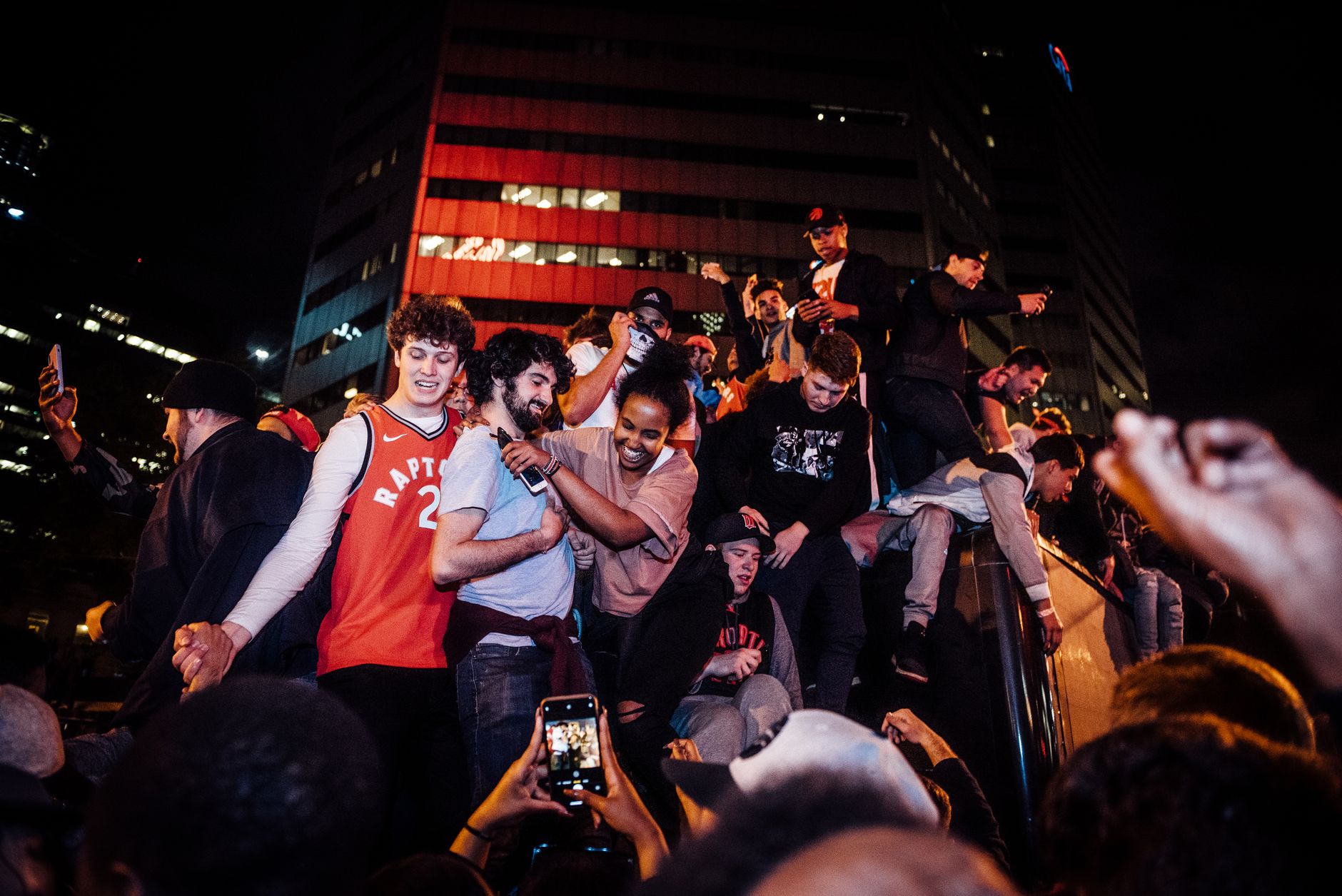
Toronto Gyms Lose Members to Boutique Studios
Participation data shows Toronto's fitness landscape shifting as boutique studios and home workouts challenge traditional gym memberships.
Participation data shows Toronto's fitness landscape shifting as boutique studios and home workouts challenge traditional gym memberships.

Listen to this article · 3:48
Walk past any gleaming fitness facility along King West or Bloor East these days, and you'll notice something: the landscape of Toronto's gym culture has undergone a seismic shift. New participation data compiled by fitness industry analysts paints a striking portrait of how locals are reimagining their approach to exercise-and it's challenging long-held assumptions about what drives Torontonians to work out.
According to recent fitness sector reports, membership at large-scale commercial gyms in Toronto has declined by approximately 12 percent over the past three years, while boutique fitness studios-spin classes in Liberty Village, yoga studios in the Annex, CrossFit boxes in Leslieville-have seen participation surge by 31 percent. The data suggests that Toronto's 2.9 million residents increasingly prefer specialized, community-driven environments over sprawling, equipment-heavy facilities.
"What we're seeing is a fundamental shift in fitness values," explains the landscape of local gym culture through participation metrics that reveal deeper behavioural patterns. Members across the city are willing to pay premium rates-often $200-$300 monthly for boutique memberships-in exchange for smaller class sizes, instructor expertise, and social connection. By contrast, traditional gym memberships average $50-$100 monthly, yet retention rates suggest these lower-cost options increasingly fail to maintain engagement beyond the first quarter.
The data carries particular significance for downtown Toronto, where limited square footage makes boutique models more viable than warehouse-style gyms. Facilities clustered around Church and Wellesley, the Entertainment District, and along the Dundas West corridor report waiting lists for signature classes, suggesting demand outpaces supply even at premium price points.
Home-based training has also captured meaningful market share. Post-pandemic digital fitness platforms report that 34 percent of Toronto fitness participants now combine gym attendance with virtual training subscriptions-a hybrid approach that contrasts sharply with pre-2020 patterns when such digital options remained niche offerings.
Perhaps most revealing is the demographic data: participants aged 25-40 dominate boutique studio membership, while traditional gym participants skew older and express lower satisfaction scores regarding community elements. This generational divide suggests Toronto's fitness future will likely continue fragmenting away from the one-size-fits-all gym model that dominated the 1990s and 2000s.
For Toronto's fitness industry, the numbers are clear: the city's active population has evolved. They're investing in experiences, expertise, and belonging-metrics that transcend simple equipment access. Understanding this shift matters not just for gym operators, but for anyone trying to understand what drives engagement and loyalty among Toronto's increasingly selective fitness consumers.
This article was compiled by AI and screened before publishing. See our editorial standards.
How does this story make you feel?
Spread the word
About this article
Published by The Daily Toronto
Daily brief
Free, in your inbox before 7am. Weekdays.
More in Sport