property
Toronto Home Prices Rise 8% Year-over-Year, East End Leads Growth
Citywide prices edge higher from last year, with east-end neighbourhoods logging the strongest gains.
How we reported this
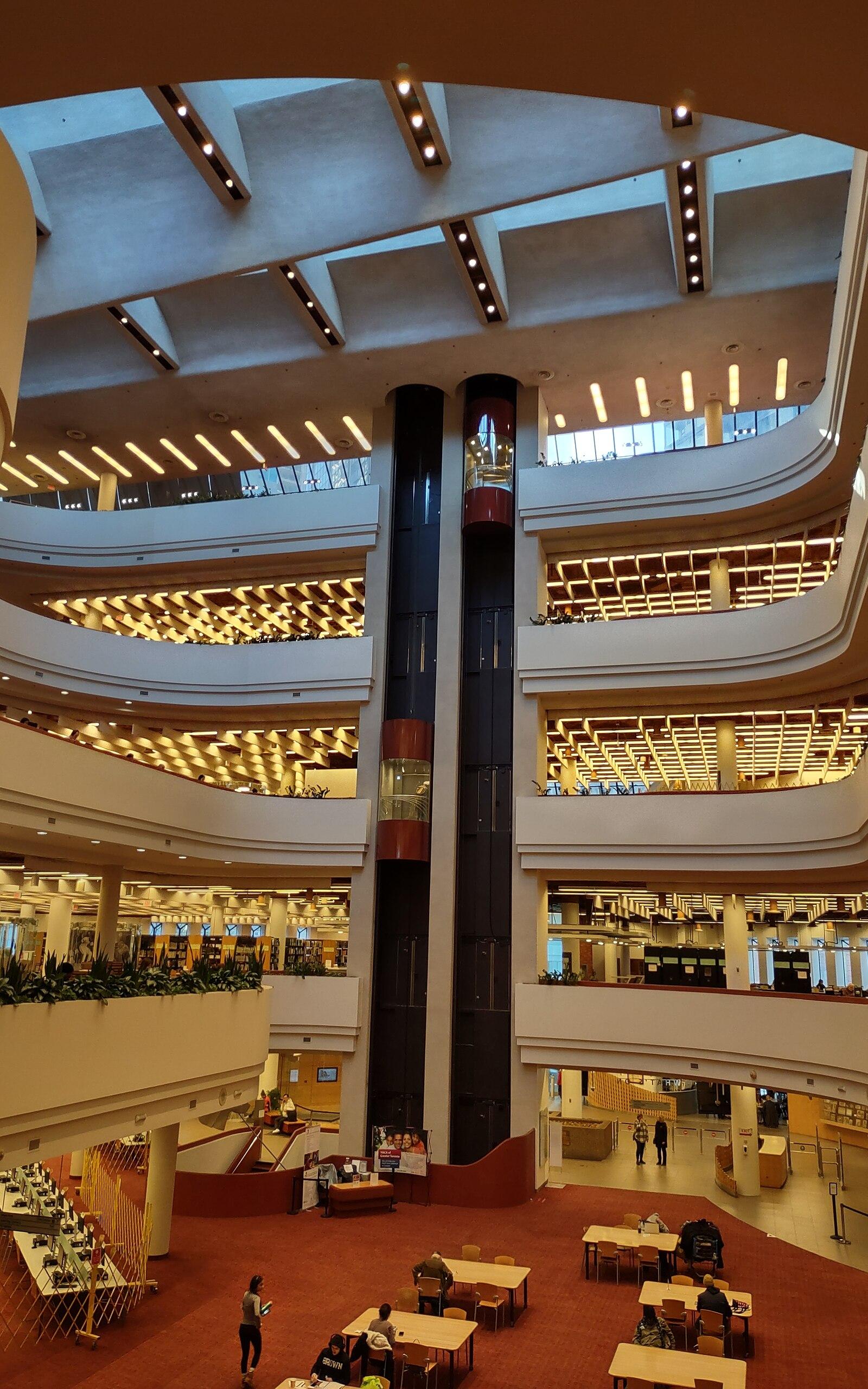
Toronto’s housing market finished the second quarter with moderate price growth, narrowly beating last year’s levels and confounding some predictions of stagnation. According to new figures released Monday by the Toronto Regional Real Estate Board (TRREB), the average home price across the city stands at just over $1.13 million, up slightly from $1.1 million in June 2025.
The quarterly increase comes at a critical juncture for Toronto, which has faced months of rising listings and slower sales. With high immigration persistently pushing demand, even as interest rates edge upward, realtors had anticipated a possible dip. Instead, the city’s price trend is holding steady, giving sellers reason for cautious optimism midway through 2026.
East End and Midtown Stand Out
Price movements this spring have been uneven across the city. Riverdale and Leslieville, both on the east side, posted the fastest annual gains with typical detached homes now edging above $1.65 million along streets like Logan and Jones Avenue. In Midtown’s Annex community, sales data from Forest Hill Real Estate shows semi-detached properties routinely listed above $2 million near Bloor Street West. These neighbourhoods appear to benefit most from buyer spillover once concentrated in the downtown core.
Downtown’s condo market meanwhile remains disciplined after years of feverish growth. The average one-bedroom unit along King Street West is holding at $730,000, a figure little changed from this time last year, as more new listings hit the market through developments such as The Well and 55 Mercer.
Steady Gains Backed by Board Data
TRREB’s June report shows composite home prices are up around 3% from Q2 2025. Though modest by recent standards, the increase puts Toronto ahead of the rest of the GTA, where regions like Peel and Durham saw only fractionally positive movement. The city’s resilience is attributed to robust population growth and limited new supply, with less than 2,500 completed units added since April, according to Urbanation’s latest figures.
Sales volumes, however, tell a slightly different story. TRREB reported a 9% dip in transactions year-over-year for Q2, with 6,970 homes changing hands across all property types in June. This suggests buyers are biding their time as interest rates remain higher than at any point during the boom years of the early 2020s.
Buyers looking in the Junction, High Park, or even Scarborough’s Cliffside should brace for continued competition on good listings, albeit with little risk of runaway price spikes. Expect modest price appreciation for the remainder of the summer, economists at RBC and TD Canada Trust note, barring a major shift in either the interest rate climate or the city’s employment outlook.
For sellers, measured pricing and preparing properties to stand out in a crowded field remain key. And for buyers, the year-over-year picture offers some reassurance: while affordability challenges persist, Toronto’s market is proving more stable and balanced than some feared heading into 2026.
This article is general information only and is not personal financial or investment advice. Consider your own circumstances and seek licensed professional advice before making financial decisions.