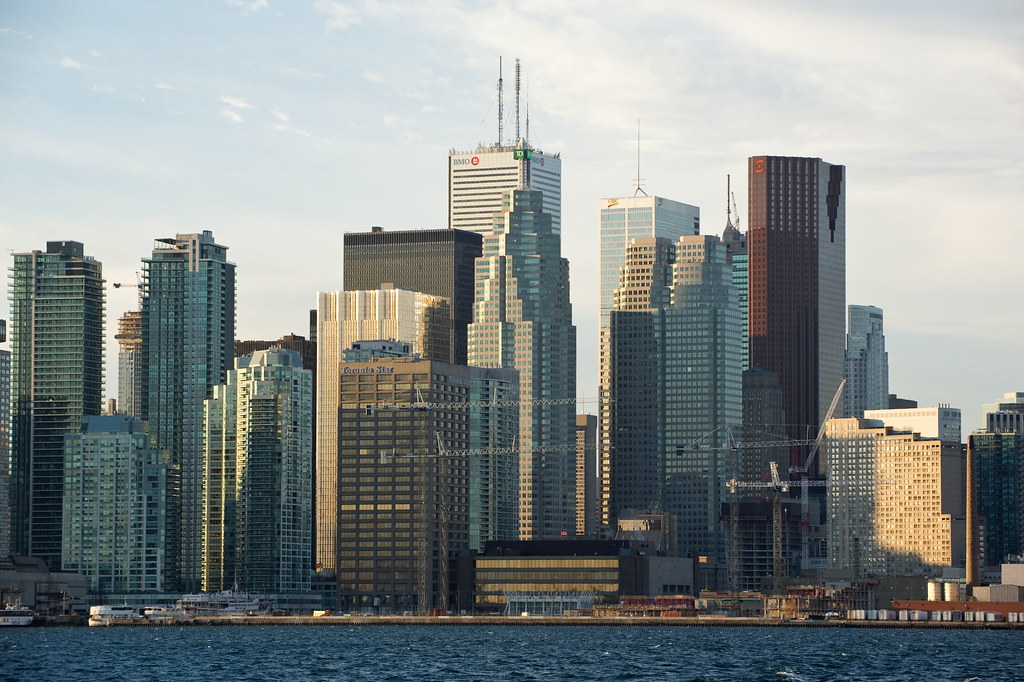
Why Toronto’s Rental Vacancy Rate Has Hit a Record Low, And What That Means for Renters and Buyers
With fewer apartments available than ever, tenants face mounting battles for leases as sky-high house prices push more people into the rental market.
With fewer apartments available than ever, tenants face mounting battles for leases as sky-high house prices push more people into the rental market.

Toronto’s rental vacancy rate plummeted to just 1.2% in June, the lowest figure the city has seen in more than twenty years, according to new numbers released this week by the Canada Mortgage and Housing Corporation (CMHC). Competition for apartments has grown so intense that viewings now routinely pack in dozens of prospective tenants within hours of listings appearing in core neighbourhoods like Liberty Village and the Annex.
The squeeze comes as home ownership recedes further out of reach for many residents. As the average sale price for a detached house in Toronto edges towards CAD 1.6 million and even downtown condos rarely list below CAD 700,000, more would-be buyers are remaining in, or returning to, the rental pool, tightening an already-stretched supply.
Realtors at Bosley Real Estate’s Queen West office say bidding wars have become common for two-bedroom rentals along King Street West and in parts of Leslieville. 'It used to be students and single professionals fighting for studios,' said an agent who works the East End. 'Now we’re getting families and even downsizing retirees.' Early July saw a two-bedroom at 111 St. Clair Avenue West, steps from the Yonge-University subway line, receive 42 rental applications in three days. Smaller walk-ups on Bloor Street are reportedly attracting as many as 20 applicants for a single vacated unit.
Key local organizations, including Toronto Community Housing and the municipal Housing Secretariat, have noted a spike in wait-list numbers since April. Affordable and subsidized rental stock is not keeping pace with population growth, driven both by steady immigration and students drawn by programs at the University of Toronto and Toronto Metropolitan University. According to Immigrant Services Toronto, more than 36,000 newcomers arrived in the city from January to May of this year, further fueling competition.
Average one-bedroom rents reached $2,410 in the 416 area code last month, up 8% year-over-year, per a June survey from Urbanation, a Toronto-based real estate consultancy. Downtown studio apartments now rarely dip below $1,900. Newly constructed towers, such as those rising around Regent Park and CityPlace, are also pushing luxury rental rates, leaving fewer options for those on moderate incomes. CMHC’s last quarterly report recorded the number of available purpose-built rentals across the entire City of Toronto falling below 6,000, the smallest inventory ever tracked for the city’s 3.0 million residents.
The frenzied rental market has yet to persuade many landlords to list. Some are holding units vacant in hopes of higher future rents, while privately operated short-term rental schemes, particularly around Union Station and Front Street East, siphon off stock. Municipal efforts like the Multi-Unit Residential Acquisition program, launched by City Council in February, are so far only targeting a few hundred units annually, a fraction of what’s needed.
Experts warn the crunch is likely to persist through late 2026, especially if mortgage rates stay elevated and ownership remains out of reach. CMHC predicts vacancy rates will remain below 1.5% for the foreseeable future. Renters looking for relief are advised to consider outer neighbourhoods such as Scarborough’s Agincourt or North York’s Downsview, where listings linger slightly longer, though prices are rising there too. For now, most Toronto tenants can expect higher rents, longer searches and even fiercer competition when the next lease hits the market.
How does this story make you feel?
Spread the word
About this article
Published by The Daily Toronto
Daily brief
Free, in your inbox before 7am. Weekdays.
More in Property