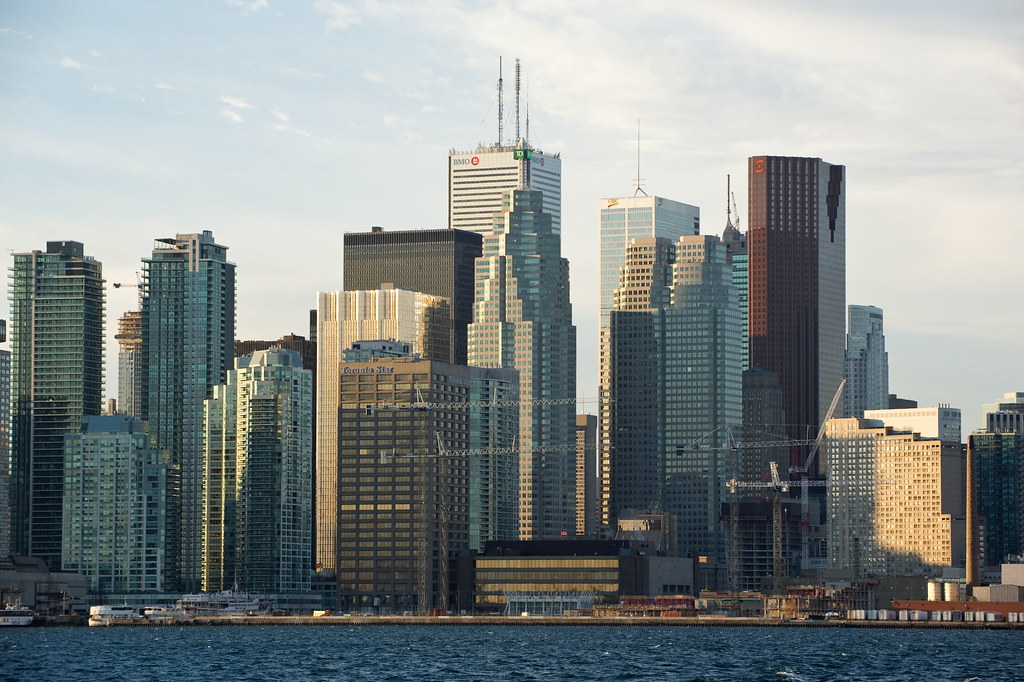
Rental Vacancy Rates Hit Record Lows Across Toronto, Driving Fierce Competition
Tight market leaves renters scrambling as average asking prices climb and bidding wars erupt, especially in central and east end neighbourhoods.
Tight market leaves renters scrambling as average asking prices climb and bidding wars erupt, especially in central and east end neighbourhoods.

Toronto’s rental vacancy rate has plunged to just 1.1% this summer, the lowest figure recorded since 2001, according to new data released by Urbanation on July 3. The dramatic squeeze has sent would-be tenants scrambling, sparking bidding wars and long queues for units from Queen Street West to the Danforth.
The situation is forcing difficult choices for thousands of Torontonians. With average asking rents for a one-bedroom hovering at $2,350 in June, even basic apartments are fetching premium prices. This crunch is acutely felt as immigration continues at historically high rates and home ownership remains unaffordable for many. The city’s latest influx-over 180,000 people added in the GTA last year-means competition for limited rental stock is only intensifying.
Property managers overseeing mid-rise buildings on College Street and landlords of low-rise walkups in Leslieville report vacancy rates close to zero. At The Beaches, a two-bedroom listed for $3,100 attracted 29 applications in two days, according to listed agent Emma Rogers. Large institutional landlords like Minto Group and CAPREIT also report overwhelming demand, with over 50 applicants per vacancy common downtown.
The City of Toronto’s Housing Secretariat says vacancy rates have remained below 2% across all centrally located neighbourhoods since late 2023. On the east side, new developments at Queen & Coxwell were fully leased within a week of completion. Further north, even older stock in Lawrence Park is renting above asking price-mid-pandemic incentives are little more than a memory.
According to Rentals.ca’s June 2026 report, the average rent for a Toronto two-bedroom hit $3,330, up 9% year-over-year. Students at the University of Toronto’s St. George campus face especially fierce competition, with shared rooms near Spadina & Bloor regularly renting at $1,200 per bed. The CMHC’s latest survey confirms the lowest level of rental construction since 2018-just 2,221 new units city-wide in the first half of 2026, despite rapid population growth.
With the federal immigration cap unchanged and interest rates still hovering around 5.5%, would-be homebuyers remain stuck on the sidelines. The local resale market’s average price for a detached home in the Annex climbed to $2.4 million in May, according to TRREB. The gap between renting and owning continues to widen, keeping more residents in the rental pool and driving vacancy ever downward.
For those hunting now, experts recommend preparing application packages in advance-ID, employment letters, and references ready-and acting within hours if a suitable unit is found. Some rental agencies, such as TorontoRentals.ca, are trialing digital lotteries to reduce pressure and give all applicants a fair shot. City council is expected to debate expansion of affordable housing incentives in September, but relief will come slowly-if at all. Until then, renters will need persistence and, increasingly, luck to find their next home in the city.
How does this story make you feel?
Spread the word
About this article
Published by The Daily Toronto
Daily brief
Free, in your inbox before 7am. Weekdays.
More in Property