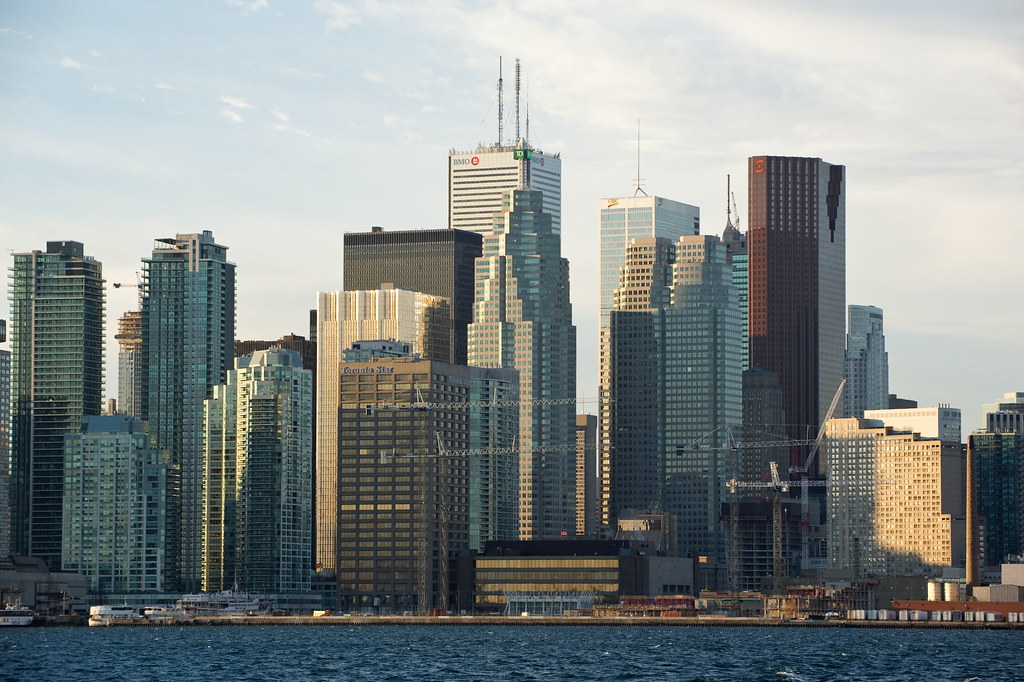
First-time homebuyers are gradually making their way back into Toronto’s real estate market, drawn by stabilized interest rates and a modest uptick in starter-home inventory. Newly released June data from the Toronto Regional Real Estate Board (TRREB) show a 12% year-over-year increase in first-home purchaser activity, especially in lower-priced condominium and townhouse segments.
Why does this matter in July 2026? For much of the past two years, intense competition, high borrowing costs, and record-setting immigration pushed entry-level buyers to the sidelines, yielding a market dominated by investors and up-sizers. But inflation’s sharp retreat and a pair of Bank of Canada rate cuts have recalibrated monthly mortgage costs and signalled a shift. This is a critical test of whether Toronto’s supply-starved market can once again offer stable paths to ownership for new buyers.
Scarborough Condos and East End Townhomes in Focus
Gone are the days when a downtown studio was a default stepping stone. Agents report the most accessible entries are now in pockets like West Hill and Birch Cliff, where one-bedroom condos hover between $480,000 and $555,000-still out of step with average incomes but notably below the citywide mean.
“Danforth Village and the Taylor Creek trail area are seeing a surge in traffic at weekend open houses,” says an agent with Re/Max Hallmark in Greektown. “Young professionals and newcomer families who got pre-approved last year are finally ready to pull the trigger.” Local non-profits including The Neighbourhood Group report a spike in inquiries about the city’s First-Time Home Buyer Incentive, particularly for homes under $600,000, largely in Scarborough and the East End.
According to TRREB’s June report, the median price for a resale condo apartment in Scarborough now sits at $508,000, up just 3% from last summer but still well beneath the downtown average of $735,000. Stretching a bit higher, stacked townhouses in East York and along the Danforth command $660,000 to $720,000, while small detached homes west of Jane Street remain mostly out of reach for first-timers, with prices well above $900,000.
Numbers Still Don’t Add Up for Many
Mortgage qualifying remains a major stumbling block. For a $500,000 condo, buyers typically require at least $30,000 to $40,000 in available cash after minimum down payment and closing costs, a tough feat in a city where average rents breached $2,500 for a one-bed in May. The City of Toronto’s Home Ownership Assistance Program, relaunched in May, attracted over 1,100 applications in its first month-far outstripping funding.
With the anticipated federal expansion of insured mortgage access for homes under $750,000 set for September, buyer traffic will likely keep climbing through autumn. Experts caution demand could again outpace new listings: TRREB’s active listings for dwellings under $700,000 remain at just 57% of their 2021 volume. Would-be buyers should strategize around higher-ratio insured mortgages and move quickly if listings emerge in their price band.
For now, patience and preparation remain essential. The most affordable Toronto entries-condos near Guildwood station, stacked townhomes east of Coxwell-see bidding in the low $500,000s, but serious competition is most fierce at these price points. First-timers should consult with mortgage advisors and monitor the city’s springboard incentive programs for updates. The deck is still stacked, but for the first time in several years, the door is cracked open wider than before.