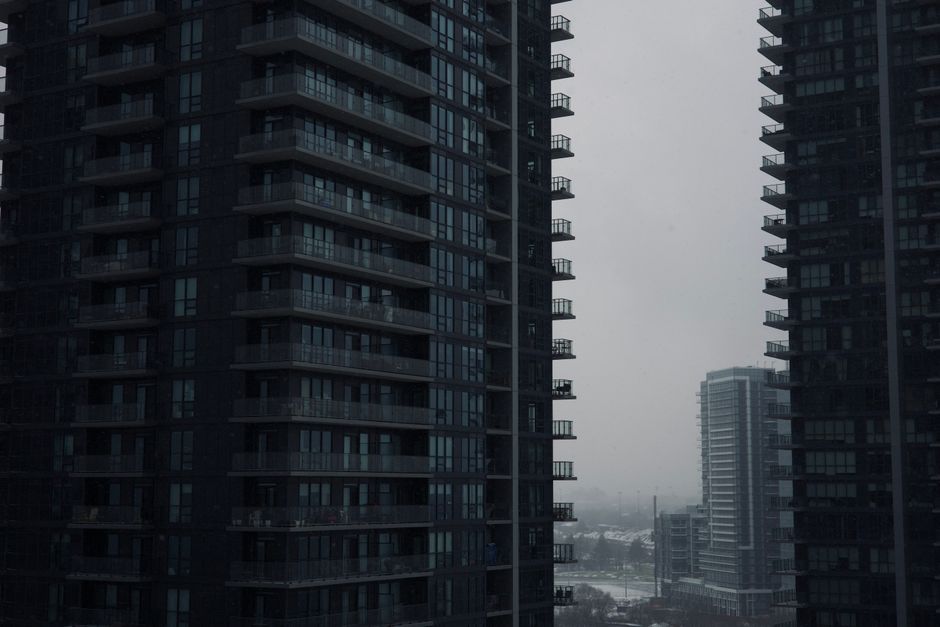
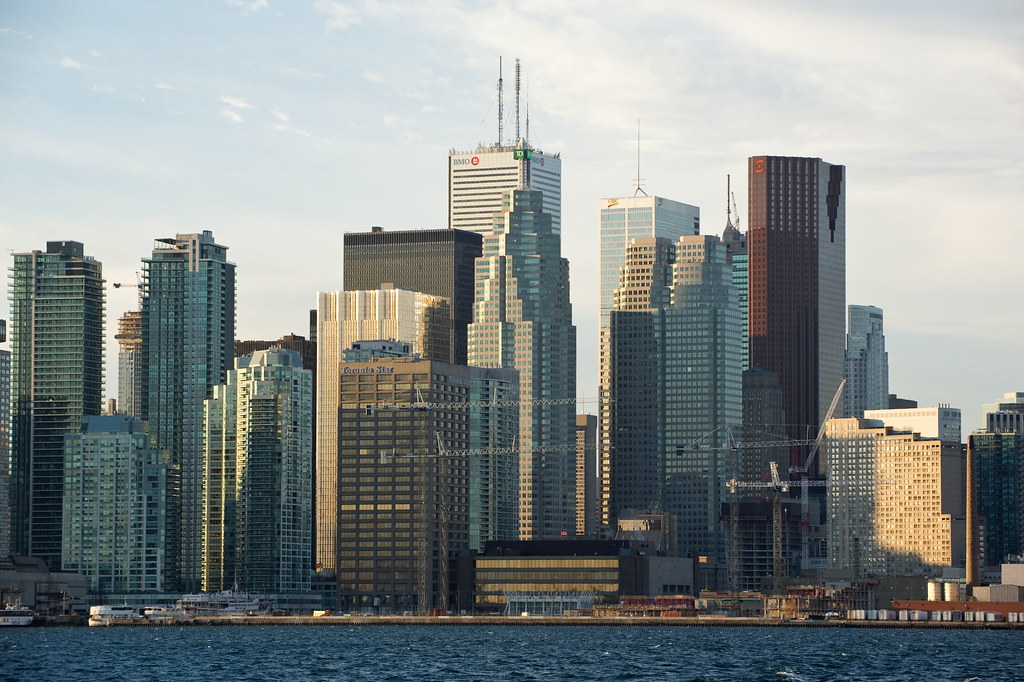
Rents for a downtown one-bedroom in Toronto now sit at $2,415 per month, pushing the city’s cost of living into territory usually reserved for London or New York, according to fresh data from Urbanation released this week. But just a 45-minute train journey from Toronto’s Union Station, renters in places like Hamilton and Kitchener are paying 15-30% less-and in some cases, locking in leases within walking distance of new employers and transit.
The squeeze comes as Toronto’s home prices have stubbornly clung to record highs, with the average resale price crossing $1.1 million again in June. This ongoing spike in both rental and ownership costs matters because it’s reshaping where people live and work: young professionals and new Canadians are increasingly choosing regional centres over the city core. Policy decisions from Queen’s Park and City Hall-from development charges to the fate of rent control-are in the spotlight as the city looks for answers.
Rental Gaps Stretch Across Ontario
In Toronto’s West End, a typical two-bedroom in Roncesvalles or the Junction will now set a family back at least $3,000 a month. Toronto Community Housing’s waitlist, meanwhile, has grown to 82,434 households as of March 2026-a stark contrast to the smaller, more manageable rosters in nearby cities.
By comparison, Hamilton’s South Durand or Kitchener’s Innovation District offer newly built one-bedroom apartments for $1,600 to $1,900, according to listings tracked in late June. GO Transit’s expansion has played a role: the Maple GO and Kitchener Line make these commutes feasible, though weekday ridership hit a record 12,500 boardings last month, hinting at this regional migration. Even in up-and-coming Toronto neighbourhoods like East Danforth or St. Clair West, rents remain well north of $2,200 for mid-range apartments.
Buyers fare little better in the regional sweepstakes. The Toronto Regional Real Estate Board reports that detached homes in the 416 area now average $1.56 million, compared to $885,000 in Waterloo Region and $797,000 in Hamilton as of June 2026. But the gap for first-time buyers, especially those without family help, has closed: higher down payment requirements and stricter mortgage stress tests mean both markets are largely out of reach for median earners.
What Now for Renters and Would-Be Buyers?
While the calls for new supply echo through City Hall, renters hoping for relief have few easy options. The City of Toronto’s recently expanded Housing Now initiative, pivoting to target more middle-income units near main subway stations, will only begin delivering new homes by late 2027. In the meantime, advocacy groups like ACORN and the Federation of Metro Tenants’ Associations are urging Queen’s Park to revisit the 2.5% annual rent cap, first introduced province-wide in 2022.
For renters considering a move, the practical advice from analysts is clear: cast a wider net, and lock in multi-year leases where possible. Those determined to buy may still find hope in select pockets-both in Toronto’s east-end co-ops and in newly built walk-up condos in downtown Kitchener or Hamilton’s Corktown, where price tags under $500,000 occasionally surface. But with immigration targets staying high and construction timelines lagging, the city-versus-region calculus will keep shifting well into 2027.