news
Toronto's MLS Database Took 10 Years to Fix Duplicate Photo Problem
Duplicate images clogging MLS databases and city planning portals have quietly distorted the housing market for a decade; here's the chain of decisions that got Toronto here.
How we reported this
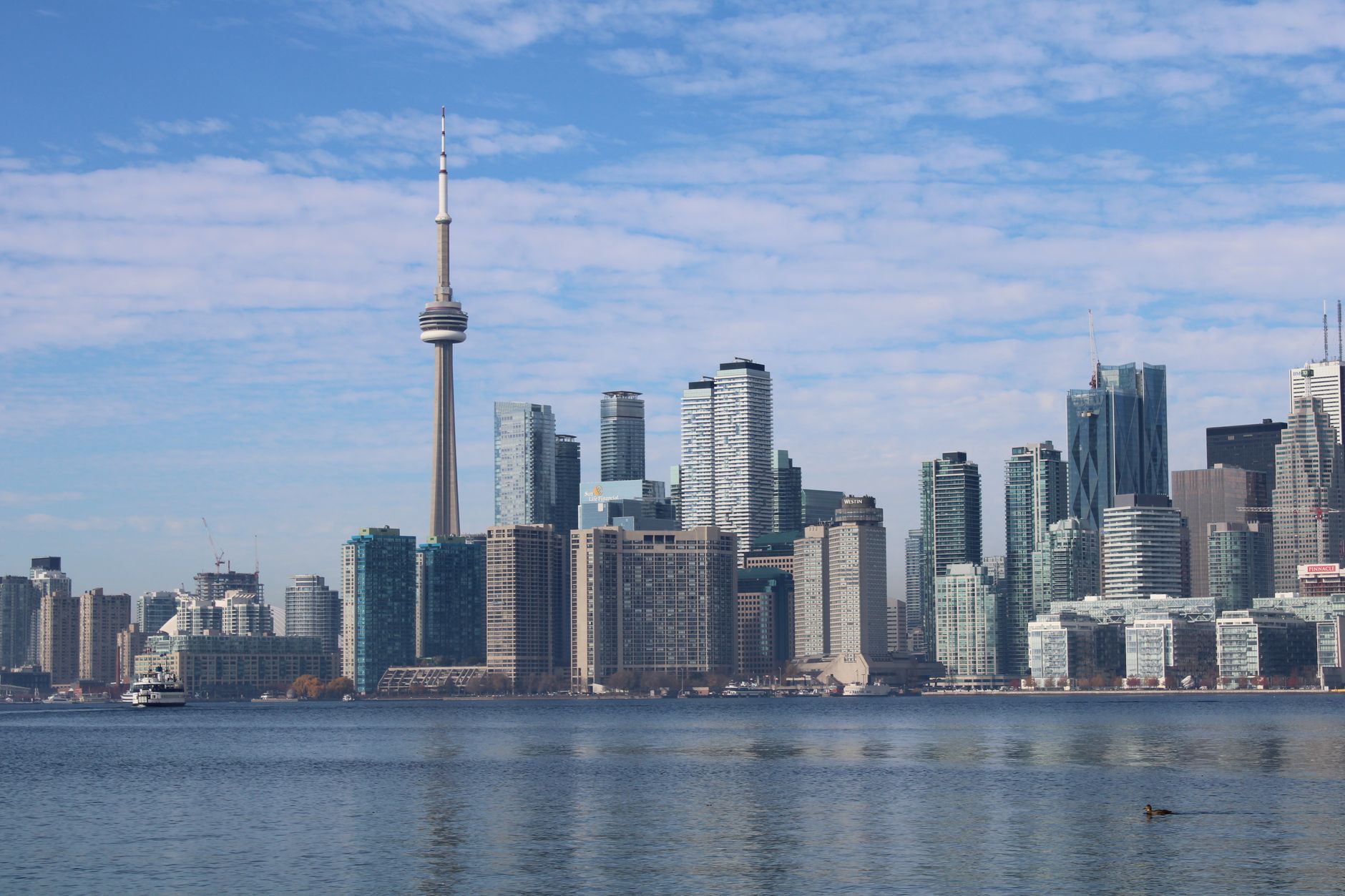
Toronto's housing affordability crisis has never been purely about supply. A quieter, more technical failure has been compounding the problem for years: duplicate property images embedded in Multiple Listing Service databases and the City of Toronto's own development application portals have made it harder for buyers, planners, and journalists to accurately assess what is being built, sold, or demolished across the city.
The issue matters now because the Ontario government's push under Bill 23, the More Homes Built Faster Act, has flooded the Toronto Regional Real Estate Board's listings system and the city's planning portal with tens of thousands of new submissions since late 2022. Volume stress exposed what had long been a latent flaw: there was no automated deduplication layer in either system, meaning the same rendering of a Scarborough stacked townhouse or a Corktown mid-rise could appear attached to dozens of separate listings, inflating perceived inventory counts and muddying appraisal comparables.
A Problem Built Brick by Brick Since the Condo Boom
Trace the thread back and you land somewhere around 2014 and 2015, when pre-construction condo marketing in the King West and CityPlace corridors first industrialised the practice of recycling developer-supplied renderings. Sales offices along Front Street West and along the Bathurst Street corridor began submitting identical promotional images to multiple listings, one for the model suite, one for the building overall, one per floor plan variation, without any tagging or hash-check that would have flagged the duplication. TRREB's data standards at the time did not require unique image identifiers.
By 2019, Toronto Community Housing Corporation's internal asset management database had separately flagged a related problem: maintenance and inspection photographs attached to work orders across its roughly 58,000 units in buildings from Regent Park to Lawrence Heights were being misfiled and duplicated when contractors uploaded from mobile devices. A 2019 audit of the TCHC system, referenced in a city budget committee report that year, found that duplicate image records were consuming an estimated 30 percent of allocated storage across the portfolio, a figure that complicated the corporation's ability to verify repair histories on a unit-by-unit basis.
The pandemic paused any serious reform. When in-person planning hearings moved to Zoom sessions in 2020 and the city's Development Application database migrated to a new interface under the Toronto Office of the Chief Information Security Officer, image validation was not included in the scope of work. Staff were stretched. The Eglinton Crosstown construction corridor, stretching from Mount Dennis in the west to Kennedy Station in the east, was generating its own torrent of documentation photos, environmental reports, and inspection records, all of which fed into shared city servers with no deduplication protocol.
What the Pipeline Looks Like Today
By early 2026, the City of Toronto's Open Data portal listed more than 4,200 active development applications, the highest number on record. The Toronto Regional Real Estate Board reported that average days-on-market calculations in Q1 2026 were skewed in at least three postal code clusters, including parts of the Danforth Village and the Yonge-Eglinton node, because duplicate image sets were causing listings to register as new re-entries when images were refreshed rather than updated. Appraisers and mortgage underwriters working on properties in those areas noted the anomaly in internal communications, though no formal correction mechanism existed at TRREB as of June 2026.
For buyers navigating listings at a time when the benchmark price of a Greater Toronto Area condo sat around $680,000 in the first quarter of 2026, according to TRREB's own market report, even modest distortions in comparable data carry real financial consequences.
The City of Toronto's Digital Services team confirmed in a June 2026 public update that a deduplication and image-hashing initiative was in active development for the planning portal, targeting a phased rollout beginning in Q4 2026. TRREB has separately indicated it is reviewing its data standards framework, with member consultation scheduled for the fall. Neither timeline is guaranteed. What is clear is that the fix, when it arrives, will be closing a gap that has been widening since the condo boom filled Toronto's servers with identical pictures of granite countertops and phantom balconies.