news
Toronto Finally Approves Mid-Rise Zoning After Two Decades of Debate
The city's newly relaxed zoning rules didn't arrive overnight, they're the product of years of missed targets, political pressure, and a housing crisis that has made six-storey apartments on main streets an idea whose time finally came.
How we reported this
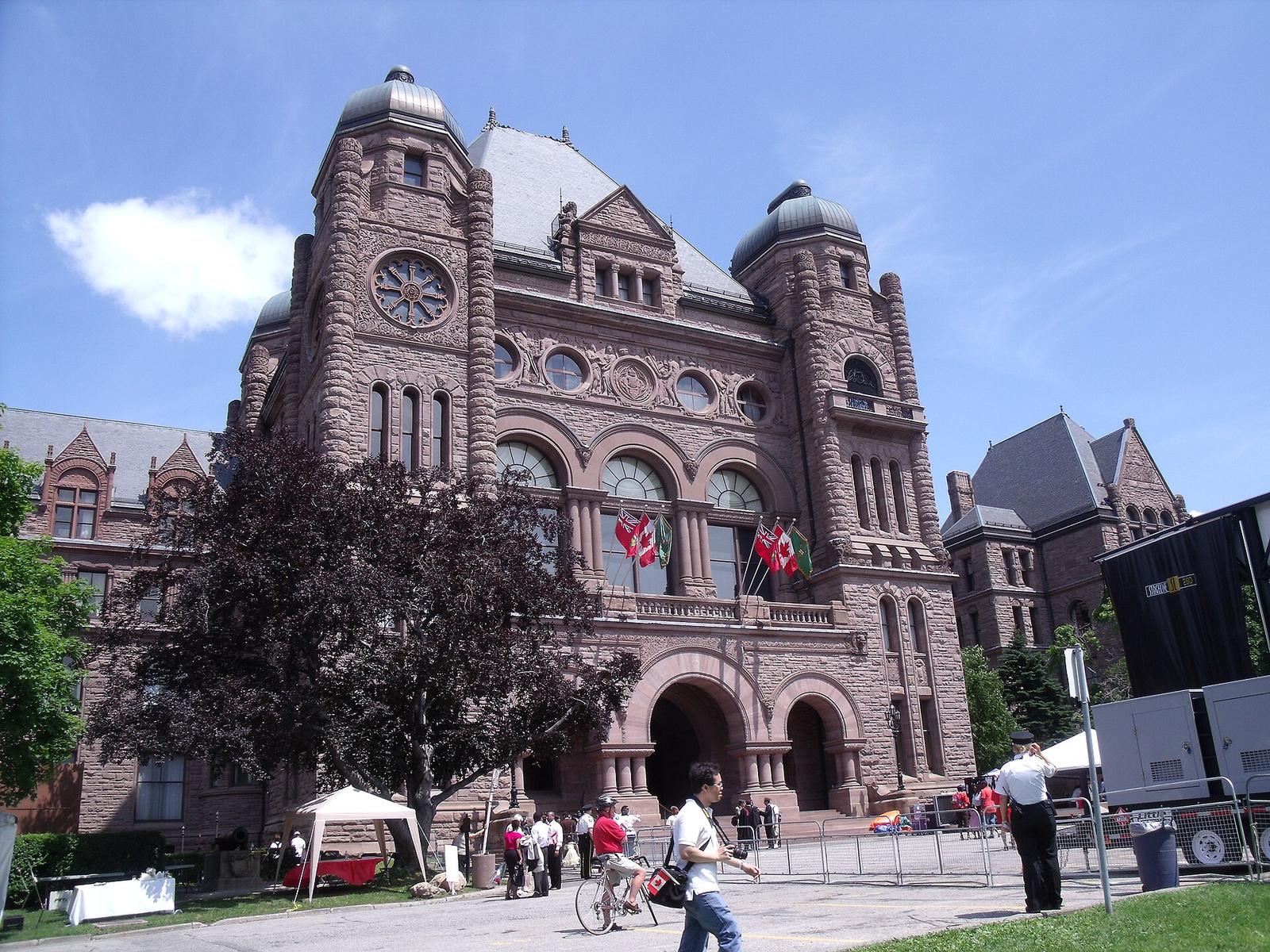
Toronto city council voted last month to strip away some of the most stubborn zoning barriers blocking mid-rise apartment buildings on major avenues, a change planners have been pushing for, in various forms, since at least 2010. The amended rules allow buildings of up to eight storeys, up from the previous six-storey soft limit, on arterial streets wider than 20 metres, and loosen setback and shadow requirements that had killed dozens of projects over the past decade.
The timing is not accidental. Toronto's average rent for a one-bedroom apartment hit $2,340 a month in the first quarter of 2026, according to data from the Canada Mortgage and Housing Corporation. The city's own housing secretariat has acknowledged it needs to permit roughly 285,000 new units by 2031 to meet provincial targets set under Queen's Park's Bill 23, the More Homes Built Faster Act. At the pace of approvals recorded through 2025, the city was on track to fall short by more than 60,000 units.
The Avenue Studies That Never Quite Landed
The conceptual framework for mid-rise development on Toronto's main streets goes back to the 2010 Avenues and Mid-Rise Buildings Study, a document the city's planning division produced after years of watching low-slung commercial strips sit unchanged while downtown towers shot up and inner suburbs stayed frozen. That study identified streets like Eglinton Avenue West, St. Clair Avenue West, and Danforth Avenue as ideal corridors for the kind of five-to-eight storey buildings common in older parts of Paris or Barcelona, dense enough to add meaningful supply, human-scaled enough to preserve street life.
Implementation was halting. Developers who tested the rules on segments of Bloor Street West near Runnymede or on Kingston Road east of Woodbine found themselves in years-long battles at what was then the Ontario Municipal Board. Shadow studies, angular plane rules, and heritage overlays piled up. The average mid-rise project in Toronto took 4.2 years from application to approval as recently as 2023, according to a report commissioned by the Building Industry and Land Development Association. Many proposals died quietly before ever reaching a public meeting.
The province's decision in late 2022 to replace the OMB's successor, the Local Planning Appeal Tribunal, with the Ontario Land Tribunal, and to curtail the range of third-party appeals, changed the calculus. Suddenly, neighbourhood groups who had weaponized the appeals process to block individual buildings lost some of their leverage. Several mid-rise projects on Eglinton Avenue East near Laird Drive, stalled since 2019, received approvals within months of the tribunal changes taking effect.
What Changed, and What Still Hasn't
The June 2026 zoning amendments go further than any previous tweak. They introduce as-of-right permissions, meaning no rezoning application required, for eight-storey residential or mixed-use buildings on avenues designated in the Official Plan, provided the street is at least 20 metres wide. Lansdowne Avenue, portions of Dundas Street West through Roncesvalles, and stretches of Lawrence Avenue East through Flemingdon Park are among the corridors that planners say will see immediate developer interest.
What the new rules don't fix is the infrastructure gap. Toronto Water has flagged at least 14 avenue segments where sewer capacity is insufficient to support significant residential intensification without capital upgrades. Those upgrades aren't funded in the current 10-year capital plan, which runs to 2035. The city's development charges, fees builders pay to fund infrastructure, rose 46 percent between 2020 and 2025, a cost that almost always flows to buyers and renters.
For Torontonians watching from the sidelines, the practical upshot is that new mid-rise buildings should begin appearing on familiar commercial streets within three to five years, faster than under the old approval regime but still not quickly. Anyone waiting on a unit in one of these projects should expect occupancy no earlier than 2029 in most cases. Community planning offices in the city's four geographic districts are holding information sessions through September for residents who want to understand what the new envelope means for their block.