culture
Toronto's Weekend Scene Evolves From Jazz Clubs to Digital Stages
As the city celebrates a mid-July heatwave, the evolution of Toronto's entertainment landscape reflects a shift from traditional nightlife hubs to a sprawling, decentralized festival economy.
How we reported this
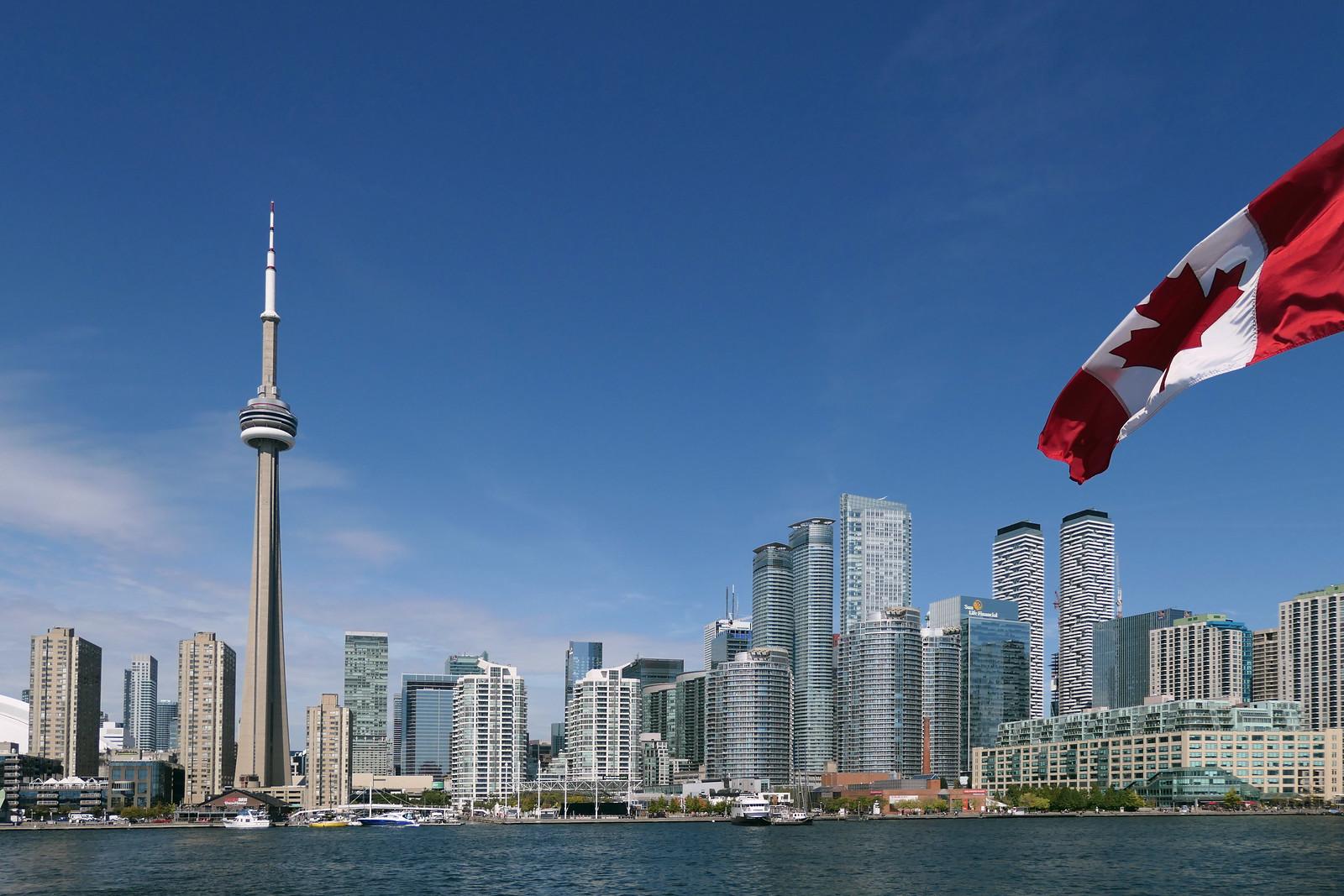
Toronto streets are pulsing with an unusual intensity this July 5 weekend, as the city plays host to the Toronto Outdoor Art Fair at Nathan Phillips Square and the fringe-adjacent pop-ups scattered across the Annex. While the specific events change with the calendar, the current configuration of downtown nightlife represents the latest chapter in a long evolution from the 1960s folk-revival era to today’s data-driven event ecosystem.
The Architecture of Social Gathering
Historically, the city’s cultural life was anchored in specific, dense corridors. By the mid-1980s, the Queen Street West strip emerged as the definitive site for independent music, solidified by venues like The Rivoli. That era defined Toronto as a city of intimate, contained social spaces. Today, the geography of weekend leisure has expanded far beyond those singular blocks, with the City of Toronto’s 'CaféTO' program now permanently altering how streets like Ossington and Roncesvalles function as extensions of private business into public thoroughfares.
This shift is not merely stylistic but economic. According to the 2026 Toronto Economic Development annual report, the city’s festivals and major events sector contributed approximately $1.2 billion to the local GDP last year. The transition from the small-scale, club-based culture of the 1990s to the massive, multi-venue festival model has forced planners to rethink public transit load management, particularly on the TTC’s Line 1 subway corridor during peak weekend hours.
Predicting the Next Cultural Pivot
The current weekend schedule highlights a broader demographic reach, with the Distillery District now serving as a primary hub for family-oriented programming that replaced the heavy industrial uses of the site in the early 2000s. Attendance figures released by the Toronto Waterfront Management office suggest that weekend foot traffic in the Harbourfront Centre area is currently tracking 14 percent higher than in the summer of 2024. For residents and visitors navigating the city this Saturday, the challenge remains balancing the heritage of historical venues against the demand for modern, high-capacity event spaces.
Those heading out should be aware that the city has implemented temporary road closures along Bay Street and Queen Street West to facilitate the high density of foot traffic. For the best access to the current art installations, taking the streetcar or cycling via the expanded bike lanes on Bloor Street remains the most efficient way to bypass the weekend congestion that has defined the city’s summer growth since the mid-2020s.