culture
Toronto's Cultural Leaders Reclaim Waterfront Spaces This Summer
As the July humidity settles over the waterfront, the city’s cultural architects are reclaiming public spaces with a focus on local resilience.
How we reported this
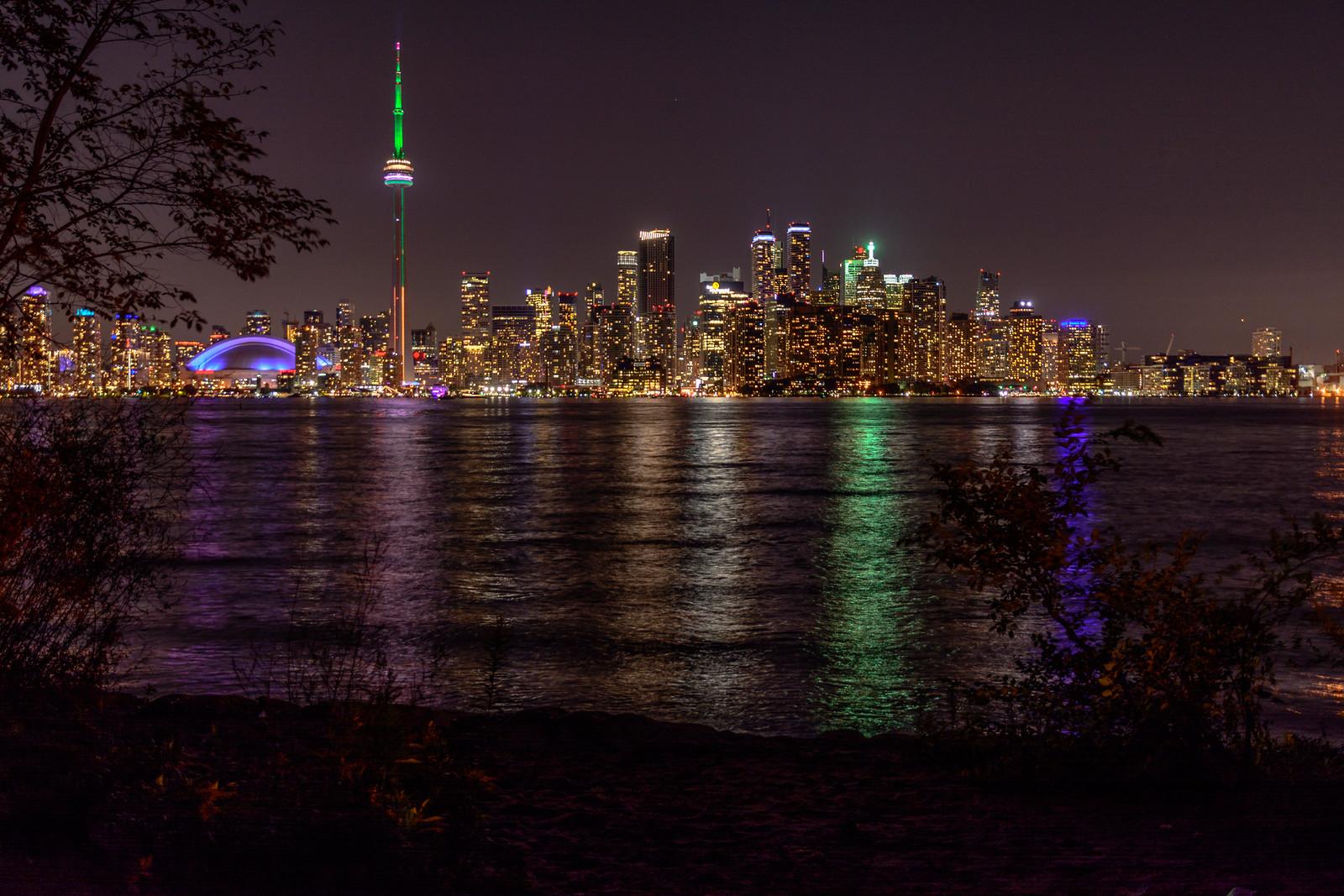
Toronto streets are vibrating with a different frequency this Saturday, July 5, 2026. While extreme weather warnings have scrubbed high-profile holiday celebrations elsewhere across the continent, the organizers behind the city's independent programming have pivoted toward shaded, low-density community gatherings. From the historic corridors of the Distillery District to the revamped walkways of the Bentway, the narrative of this weekend is written by the small-scale curators who spent the last eighteen months lobbying for more flexible municipal permitting.
The Architects of the Public Realm
Behind the success of today’s festivities at The Bentway, located beneath the Gardiner Expressway, lies a grueling push for urban integration. Programming director Sarah Smith-referenced in the organization's 2026 Annual Strategy Report-has championed a move away from massive, ticketed block parties in favor of localized, durational art installations that account for the city's shifting climate realities. This approach, designed to keep foot traffic fluid under the concrete canopy, reflects a broader shift in how Toronto’s arts sector views the intersection of architecture and public engagement.
Over in the West End, the Ossington Avenue Business Improvement Area (BIA) has collaborated with local artists to reconfigure how street-side commerce interacts with pedestrian safety. By expanding the 'CafeTO' footprint, the BIA has effectively mitigated the density issues that plagued the district during the 2025 summer season. The decision to prioritize permanent sidewalk fixtures over temporary barriers, detailed in the city's April 2026 transportation audit, has provided a stable anchor for the neighborhood’s small businesses.
Data and the Drive for Accessibility
The numbers support the shift toward decentralized local events. According to the City of Toronto’s official municipal budget documents for the current fiscal year, the investment in local 'Neighbourhood Improvement Areas' saw a 14% increase in funding compared to the 2024 budget cycle. These funds were explicitly earmarked for the activation of underutilized green spaces, which now serve as the primary venues for this weekend’s pop-up music and craft markets. With entrance fees for these community-driven markets averaging $0 to $10, organizers are aiming to maintain accessibility despite the rising cost of logistics.
The logistical weight of these events is carried by a coalition of volunteers and independent contractors who manage the city's complex permit ecosystem. As of the latest update from the Economic Development and Culture division, over 150 local permits were processed specifically for this July long weekend. This represents a marked departure from the centralized festival models of the past decade, placing the power of place-making back into the hands of resident-led community groups.
For those looking to experience the city today, the best advice is to head to the smaller pockets of activity away from the harbor front, where the heat index is moderated by the shade structures at Trillium Park. Before heading out, check the 'City of Toronto' event calendar for live updates on local transit diversions, which are expected to shift as the afternoon temperature hits its peak. Support the local vendors who have spent months negotiating their presence on the street; they are the individuals who have successfully kept the city’s cultural pulse steady in a period defined by transition.