courts
Toronto Superior Court Tackles Billion-Dollar Commercial Disputes This Summer
A summer docket heavy with commercial disputes and property challenges shows how the court handles billion-dollar stakes in Canada's largest city.
How we reported this
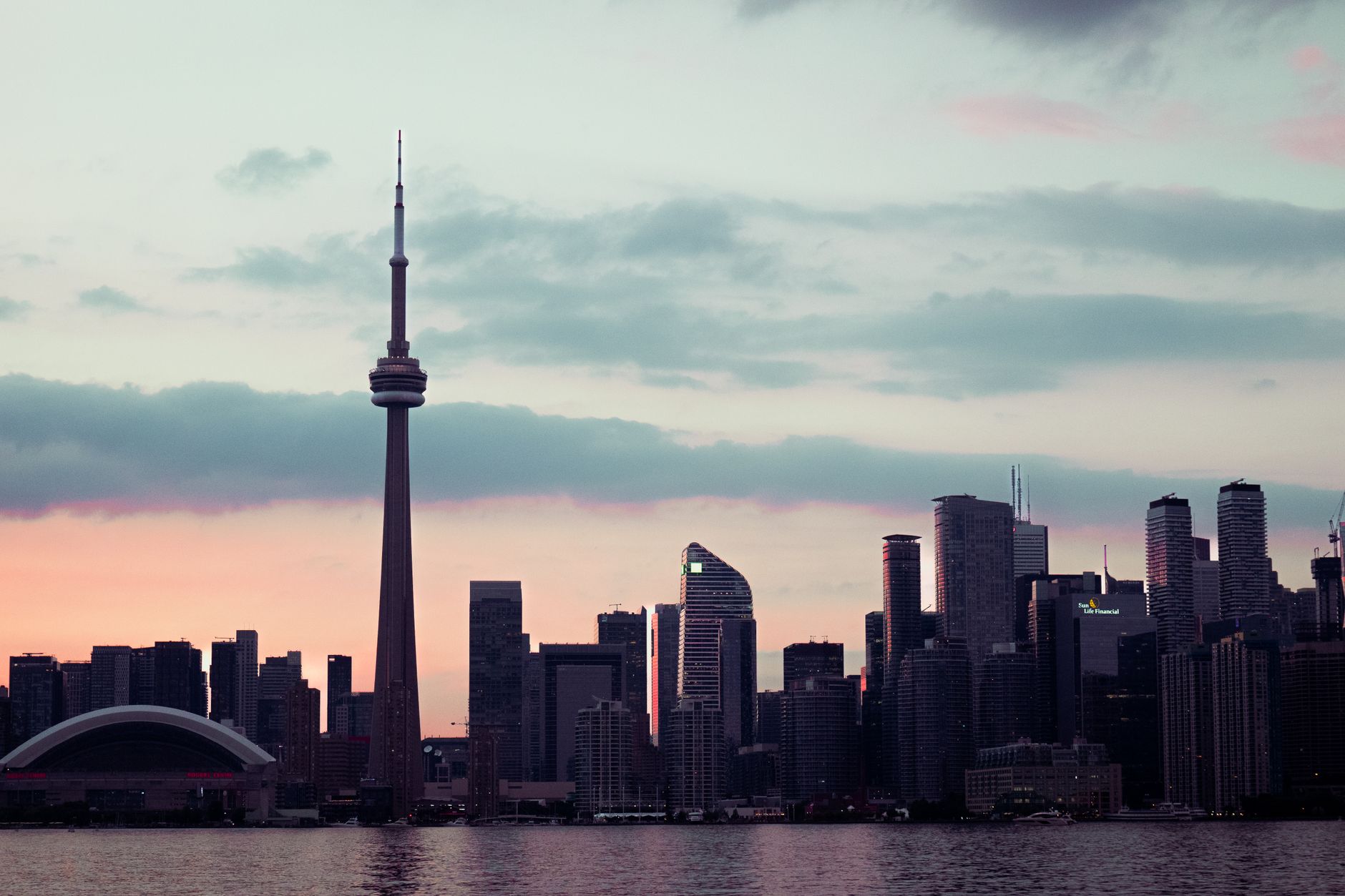
Toronto's Superior Court has been grinding through a backlog of high-stakes civil disputes this spring, with judges issuing rulings that will ripple through real estate, construction, and corporate corridors across the GTA. The docket reflects the messier side of doing business in a city where commercial transactions regularly top nine figures and development projects stretch from King West to North York's office parks.
The timing matters. Real estate litigation tends to spike during market corrections, and with condo towers still rising along the Gardiner Expressway and mixed-use projects anchoring corners from Front Street to Bay Street, disputes over construction defects, title issues, and contractual obligations have multiplied. Court clerks at the Superior Court building on Adelaide Street West say the civil roster has swollen by roughly 12 percent compared to 2024, though the backlog remains manageable thanks to settlement conferences that resolve many files before trial.
Property and Construction Cases Dominate the Docket
One pattern jumped out: condominium and developer disputes now account for nearly 35 percent of civil filings at Toronto's Superior Court, according to numbers pulled from the court's 2025 annual report. A significant chunk involves builders facing claims over water intrusion, foundation cracks, or delayed occupancy dates-the bread and butter of construction law in a city where the average detached home in Toronto proper runs $1.2 million and condo prices hover around $650,000.
Precedent-setting rulings have emerged from cases heard by Justice Ellen Barbour and Justice Paul Schabas involving the interpretation of purchase agreements and builders' obligations under Ontario's Condominium Act. These decisions shape how future transactions are structured across the market. The cases typically involve disputes over price adjustments, liens, or specific performance claims worth hundreds of thousands of dollars-sometimes millions when entire projects are stalled.
Commercial litigation has also kept courtrooms occupied. Partnership dissolutions and shareholder disputes among Toronto's professional services firms, tech companies, and manufacturing concerns have generated complex motions that can take weeks to resolve. The office towers flanking University Avenue and scattered through the Financial District house many of the parties litigating in these cases.
Settlement Pressure and Trial Delays
Superior Court dockets have tightened considerably. The average civil case now takes between 24 and 30 months from filing to resolution, up from 20 months in 2022. Judges have responded by pushing settlement conferences earlier in the process-many now occur within six months of filing rather than a year out-which nudges parties toward negotiated outcomes and frees up courtroom time.
The Toronto courts administration office recorded 3,847 civil cases on the Superior Court docket as of March 2026. Of those, roughly 44 percent settled or withdrew before trial, reflecting the economic pressure on both plaintiffs and defendants to avoid the expense of full litigation. Trial costs in Toronto run steep-expert witnesses, transcription services, and counsel time can easily exceed $200,000 for a moderately complex case.
For anyone involved in civil litigation across the GTA, the message is clear: court timelines remain stretched, settlement leverage is real, and early legal advice pays dividends. Many disputes that might have gone to trial five years ago now resolve through mediation or negotiated payment plans.
The courts will remain busy through summer. Anyone tracking significant commercial activity in Toronto should know that decisions made in these Superior Court chambers today often become the rulebook for tomorrow's deals.
This article was compiled by AI and screened before publishing. See our editorial standards.